Packing Patience: Keeping Your Tretinoin Routine Intact Through Holiday Travel
Holiday travel is a barrier stress test disguised as a vacation. Airplane cabins, hotel heating, colder outdoor air, late nights, and unfamiliar bathrooms can all converge on skin that is already adjusting to tretinoin. The goal is not to replicate a home routine perfectly. It is to preserve enough consistency that the routine survives the trip and the return home does not begin with a barrier crisis.
For a US traveler in late 2026, the practical challenges are familiar: security lines, packed toiletry bags, dry hotel rooms, and the family bathroom schedule. A dermatologist-informed travel plan should be simple enough to follow when tired and flexible enough to accommodate irritation.
Before You Leave: A Minimalist Packing List
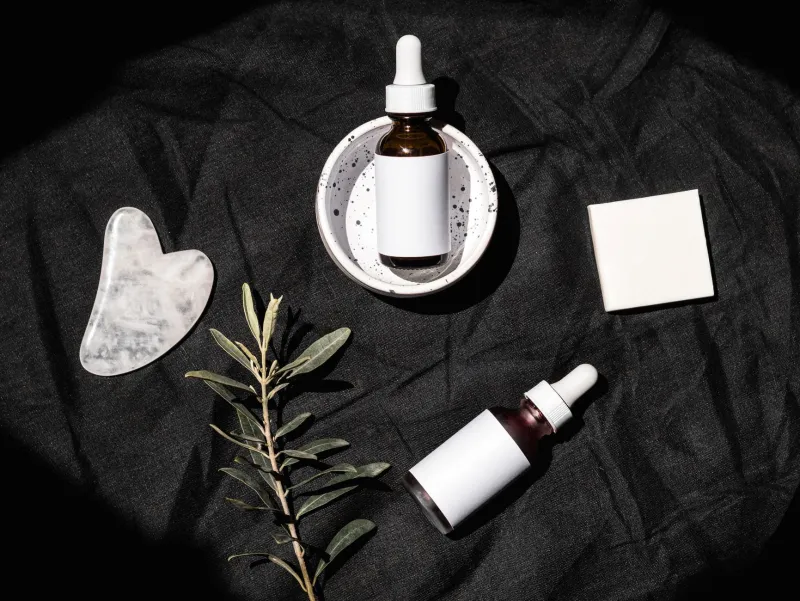
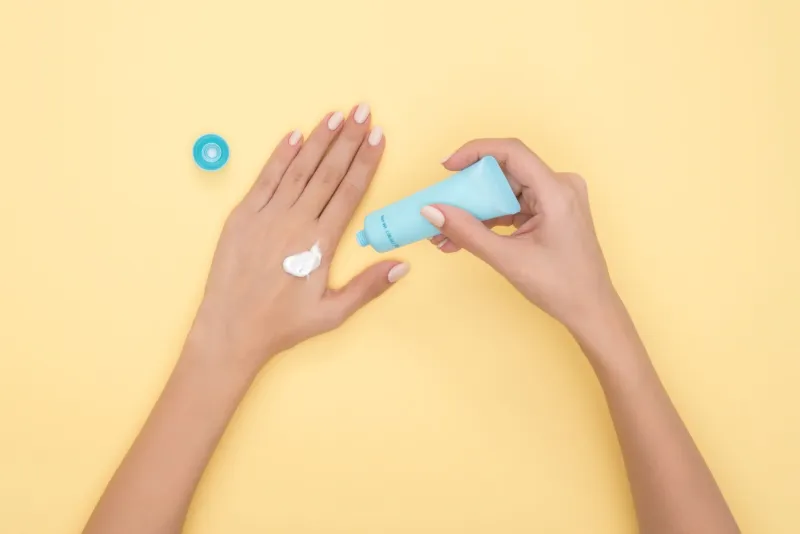
The most useful travel skincare kit is smaller than most people expect. Pack a gentle cleanser, a plain moisturizer, a broad-spectrum sunscreen, and the prescribed tretinoin. Add a barrier ointment or balm for lips, nostrils, and any dry patches. If the skin is prone to stinging, a hydrating serum or lotion can be useful, but it should not be a new product introduced on the trip.
Keep tretinoin in its original prescription packaging with the label visible. For air travel, place it in a carry-on rather than a checked bag when possible. Temperature extremes are not kind to formulations, and a car glovebox or a hot hotel windowsill is a poor storage choice. The TSA 3-1-1 rule for liquids is usually manageable with travel-size toiletries, but prescription medications should be packed so they are easy to present if questioned.
Flights, TSA, and Temperature Swings
Cabin air is dry, and long flights can leave the skin feeling tight before the trip even begins. Apply a plain moisturizer before boarding and again before landing if the skin feels parched. Avoid applying tretinoin immediately before a flight unless it is part of the usual evening routine and the skin is already tolerant. There is no benefit to layering medication on a barrier that is being stressed by recirculated air.
A simple rule for travel days is to prioritize cleansing and moisturizing over actives. If the flight lands late and the routine feels burdensome, skip tretinoin for the night. One missed application is unlikely to reverse progress; a barrier irritated by rushed application is more disruptive.
Hotel Rooms and the Humidity Problem
Hotel heating and air conditioning can pull moisture from the skin. A room humidifier is rarely available, so the practical response is a thicker moisturizer at night and a barrier balm on exposed dry areas. Keep the routine simple: cleanse, moisturize, and apply tretinoin only if the skin is calm.
If the skin feels tight or stings after cleansing, that is a signal to buffer or skip. Buffering with moisturizer before tretinoin can reduce irritation without abandoning the medication entirely. For travelers using tretinoin for acne, the temptation to apply more product after a day of travel is understandable but counterproductive. A pea-sized amount remains the standard.
Shared Bathrooms and Family Schedules
Holiday bathrooms are often busy, poorly lit, and short on counter space. A small toiletry bag with a dedicated routine can prevent improvisation. Keep the tretinoin tube closed and stored away from heat and water. Do not borrow a relative’s retinoid or exfoliating serum, even if the concentration sounds similar. Formulations and tolerances differ.
If the bathroom schedule makes a nighttime routine difficult, consider moving cleansing and moisturizing earlier in the evening and applying tretinoin just before bed. The exact clock time matters less than consistency and a clean, dry face. Avoid applying tretinoin to damp skin if that tends to sting; wait a few minutes after moisturizer or cleansing.
Skip or Push Through? A Simple Decision Tree
Use a brief self-check before each application. If the skin is calm, mildly dry, or flaking without pain, continue the routine at the usual frequency or reduce by one night if travel has been disruptive. If the skin stings, burns, or looks visibly red and swollen, skip tretinoin and focus on gentle cleansing, moisturizer, and sunscreen. If the reaction is severe, blistering, or spreading, contact a clinician.
Do not double up after a missed night. Do not use exfoliating acids or strong benzoyl peroxide to compensate for travel-related breakouts unless a clinician has advised it. A temporary flare during travel can reflect stress, sleep changes, and diet as much as tretinoin. The safer response is to simplify, not intensify.
Late Nights, Alcohol, and the Barrier
Late nights and alcohol can leave skin looking dull and feeling dry. They do not require a more aggressive routine. On those nights, cleanse gently, apply moisturizer, and consider skipping tretinoin if the skin is already reactive. Sunscreen remains essential, especially for travelers heading to warmer destinations or spending time outdoors between holiday events.
Returning Home
After the trip, resist the urge to restart at full frequency if the skin has become dry or sensitive. Return to the last comfortable frequency for one to two weeks, then reassess. If irritation persists, contact the prescribing clinician. The measure of a successful travel routine is not perfect adherence; it is a barrier that is intact enough to resume the routine at home.