Steam, Shelves, and Stability: Rethinking Where Tretinoin Is Kept at Home
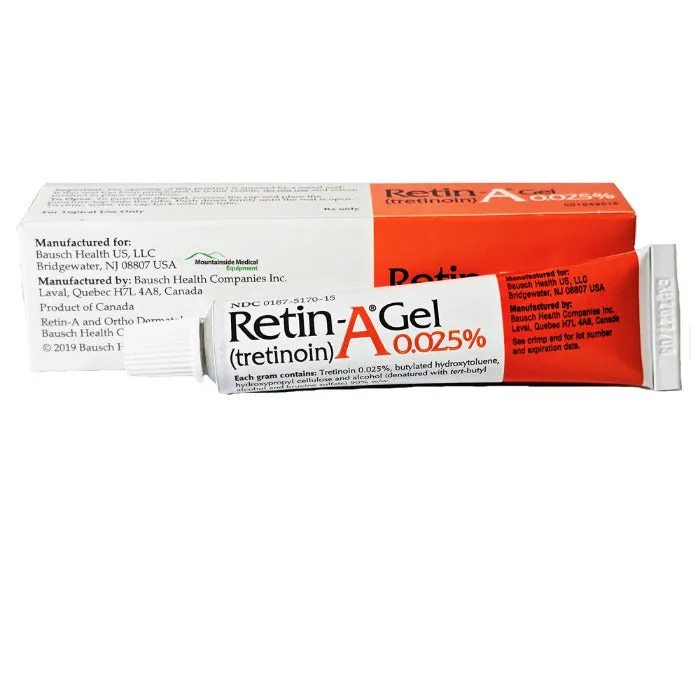
Photo: tretinoin tube skincare storage bathroom shelf medicine cabinet, via www.mountainside-medical.com
Tretinoin is often treated like any other skincare product: bought, opened, and parked wherever there is a sliver of counter space. That habit is understandable, but it is not especially kind to the formulation. The bathroom, in particular, is a difficult roommate for a medication that is sensitive to light, heat, and moisture. A storage audit is not about creating a sterile laboratory at home. It is about removing avoidable stress from a product that already asks for patience and consistency.
Why the Bathroom Earns Its Reputation
Bathrooms combine several conditions that work against topical retinoids. A hot shower can push the room toward high humidity within minutes. Vanity lights and sunny windows add light exposure. Cabinets above the sink may sit near plumbing that warms and cools with use. None of these factors instantly ruins a tube, but together they create a less stable environment than a bedroom drawer or a closed closet shelf.
The manufacturer’s storage instructions are the first reference point. Many tretinoin products are labeled for storage at controlled room temperature, generally avoiding excessive heat and direct light. That language is deliberately practical, not mysterious. It acknowledges that most people do not have climate-controlled medicine cabinets. The goal is to avoid the obvious extremes: the car console in July, the windowsill, the shelf directly over a steamy shower, or the back of a bathroom drawer that stays damp.
Tube, Pump, or Jar: Packaging Is Part of the Story
Tretinoin comes in several delivery formats, and packaging influences how much the formulation is exposed to air and light. A sealed tube protects the product until the crimp is opened; a pump limits backflow and repeated air contact; a jar invites fingertip contamination and broad surface exposure. If a jar is the only option available through a prescription or coverage situation, it can still be used, but it deserves more careful handling: clean hands, a closed lid, and a location away from humid air.
Packaging also affects how users judge a product’s condition. A tube may separate slightly at the opening, especially if it has been stored warm. A pump may deliver a different texture near the end of its life. These observations are useful, but they are not automatically proof of failure. The more reliable signals are the manufacturer’s expiration date, any beyond-use date provided by the pharmacy, and clear changes in color, odor, or consistency that persist.
A Simple Home Audit
Start with location. The best spot is generally a cool, dry, dark place that stays within a comfortable indoor temperature range. A bedroom shelf inside a closed container, a linen closet away from the bathroom, or a designated drawer can all work. The point is not perfection; it is distance from steam, direct sun, and fluctuating heat.
Next, check the date. Prescription tretinoin typically carries an expiration date on the carton or tube. Pharmacies may also print a beyond-use date after dispensing. If those dates have passed, replacement is reasonable. If the date is approaching but the product has been stored well, a short grace period is usually less important than avoiding a gap in routine, though patients should confirm with their pharmacist rather than guess.
Then inspect the product itself. A change in color, a rancid or unusual odor, or a texture that has become gritty, watery, or separated are reasons to pause. A small amount of clear separation at the tube opening may simply reflect warmth during transport, but persistent or widespread changes deserve a call to the pharmacy. The standard is not cosmetic perfection; it is confidence that the product has not obviously degraded.
When Consistency Matters More Than Perfect Conditions
Storage advice can become another source of anxiety, which is counterproductive for a medication that already requires a tolerance-building period. A tube kept in a bathroom drawer for a few weeks is unlikely to become ineffective overnight. The bigger risk for many patients is skipping application because the routine feels too complicated or the product seems “ruined” by a minor texture change.
A sensible middle path is to improve the storage location without turning it into a project. Move the product out of the shower zone. Keep the cap closed. Avoid leaving it in a hot car. If travel requires a bathroom counter, use a closed toiletry bag and avoid the steamiest spot. Consistency in application, paired with reasonable storage, will generally serve patients better than an obsessive search for ideal conditions.
Travel and the 2026 Carry-On Reality
Travel adds new variables: airport security, hotel bathrooms, and cars parked in the sun. For US air travel, prescription medications are generally permitted in carry-on luggage, and tretinoin is small enough to fit easily. Keep it in its original labeled packaging when possible, and place it in a closed bag rather than a loose pocket. A hotel bathroom is often the only available option, so keep the tube zipped inside a toiletry bag and away from the shower shelf.
Do not leave tretinoin in a parked car, even on a mild day. A closed vehicle can heat quickly, and the glove compartment is not a medicine cabinet. If a product has been through an extended hot-car episode, inspect it before use and contact the pharmacy if the texture or appearance has changed.
A Final Check Before the Next Refill
A storage audit is not a judgment on anyone’s housekeeping. It is a short, practical review: Is the product in a hot or humid spot? Is the cap working? Is the expiration date visible and still valid? Has the texture changed in a way that persists? If the answers are reasonable, the routine can continue. If not, move the product, replace it if necessary, and keep the treatment plan steady. Tretinoin works best when it is used consistently, and good storage is simply one way to protect that consistency.