Enough Is Enough: A Frugal Drugstore Framework for Starting Tretinoin
Tretinoin is a prescription medication, but the routine that supports it does not need to be complicated or expensive. For most people starting out, the useful question is not what else can be added but what can be removed. A lean drugstore shelf reduces variables, makes irritation easier to trace, and lowers the cost of consistency. The prescription itself is separate, and its price will depend on insurance, formulation, and pharmacy; the goal here is to keep the supporting cast under $60.
Start with three jobs, not ten products
A starter routine has three jobs: cleanse without stripping, moisturize without unnecessary fragrance or exfoliation, and protect with broad-spectrum sunscreen. If a product does not serve one of those jobs, it is optional at the beginning. That standard is not anti-skincare. It is a way to give tretinoin a stable environment in which tolerance can develop.
The core shelf
Prices vary by retailer, size, and region, but the categories below are widely available at US drugstores and mass retailers. The examples are illustrative, not endorsements.
1. A gentle cleanser: roughly $8 to $15
Look for a fragrance-free, low-foam or creamy cleanser. Examples include CeraVe Hydrating Facial Cleanser, Cetaphil Gentle Skin Cleanser, and Vanicream Gentle Facial Cleanser. At the start, avoid medicated cleansers containing salicylic acid or benzoyl peroxide unless a dermatologist has specifically directed otherwise. Scrubs and cleansing brushes add friction that tretinoin does not need. Use lukewarm water and keep the cleanse brief.
2. A basic moisturizer: roughly $10 to $18
A fragrance-free moisturizer with glycerin, ceramides, or petrolatum is enough. CeraVe Moisturizing Cream, Cetaphil Moisturizing Cream, and Vanicream Moisturizing Lotion are common drugstore options. A cream may suit dry or reactive skin; a lotion may suit oilier skin. Moisturizer can be applied before tretinoin if buffering is recommended, or after it if the skin tolerates that sequence. Follow the instructions from the prescribing clinician.
3. A broad-spectrum sunscreen: roughly $10 to $20
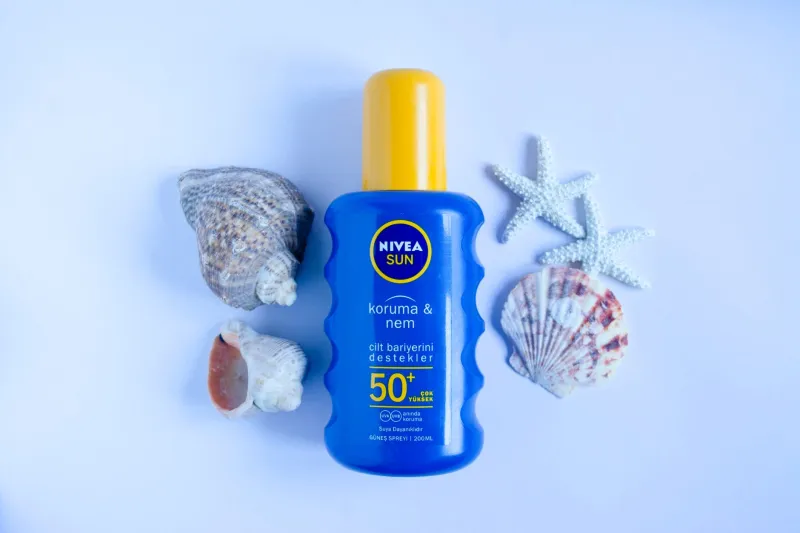
Choose SPF 30 or higher, broad-spectrum protection, and a texture you will actually wear. Fragrance-free formulas are a reasonable default for reactive skin. Tretinoin can increase photosensitivity, so sunscreen is not a finishing touch; it is part of the treatment environment. A drugstore sunscreen that is worn consistently is more useful than an expensive one that stays in the drawer.
At typical drugstore prices, those three products land somewhere between $28 and $53 before tax. That leaves room under $60 without turning the shelf into a collection.
Optional, but not urgent
A small tube of plain petrolatum, roughly $5, can be useful for lips, nasal corners, and dry patches. Hydrocolloid patches, roughly $8, are optional for individual pimples but do not replace the prescription. A second moisturizer is rarely necessary at the start. None of these items should be bought in the first week simply because they are inexpensive.
What to skip at the beginning
Exfoliating acids such as glycolic, lactic, and salicylic acid can increase irritation when layered with tretinoin. Facial scrubs, cleansing brushes, and peel pads add another source of physical or chemical stress. Multiple retinoids, including over-the-counter retinol, are not a sensible starting stack. Fragranced toners, essential-oil blends, and products that promise to tighten or tingle are poor matches for a barrier that is still adapting. Vitamin C and other antioxidants are not forbidden forever, but they are not first-month purchases. The general principle is simple: do not add a second active to solve a problem that may be caused by too many variables.
A simple evening sequence
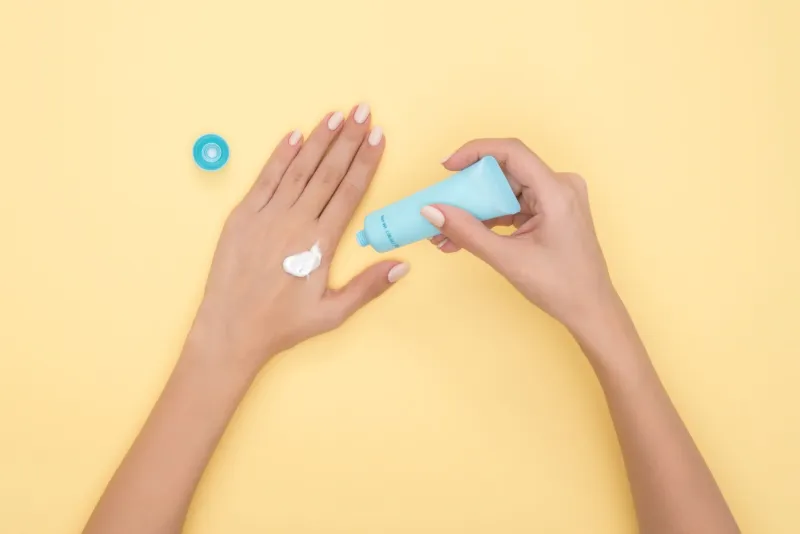
In the morning, rinse or cleanse gently if needed, apply moisturizer, and finish with sunscreen. In the evening, cleanse, wait briefly, apply a pea-size amount of tretinoin as directed, and moisturize. Avoid the eyelids, corners of the nose, corners of the mouth, and any area where the skin is cracked or stinging. If irritation appears, the first response is usually less frequency or more buffering, not another product.
Consistency over collection
A $60 cap is a discipline, not a dare. The point is to repeat the same simple routine long enough to judge it. If a product stings, stop using it rather than adding a calming serum to compensate. If the skin is persistently red, burning, or peeling in sheets, contact the prescribing clinician. A frugal shelf is not a lesser shelf; it is a clearer one.