A New Maker in the Box: Due Diligence for a Tretinoin Refill That Looks Different
A tretinoin refill is supposed to be routine. The prescription is unchanged, the pharmacy label carries the same drug name, and yet the tube, pump, or box in the bag looks different from the one that just ran out. In the US, this often reflects a generic substitution: the pharmacy has dispensed a product from another manufacturer because of supply, purchasing, or formulary changes. The substitution can be entirely proper. It can also be a meaningful change for your skin, because generic equivalence is not the same as an identical vehicle, package, or user experience.
A measured response is better than either alarm or blind assumption. Treat the new package as a new product to verify, not as a replica of the old one.
Separate Substitution From Error
Begin by confirming that the prescription itself has not changed. Check the active ingredient, the strength, and the dosage form on the pharmacy label. Tretinoin is available in different strengths and in creams, gels, and microsphere formulations; those are not interchangeable by feel or by habit. If the new package shows a different strength or a different type of product, contact the pharmacy or prescriber before applying it. That is not a manufacturer switch. It is a formulation change.
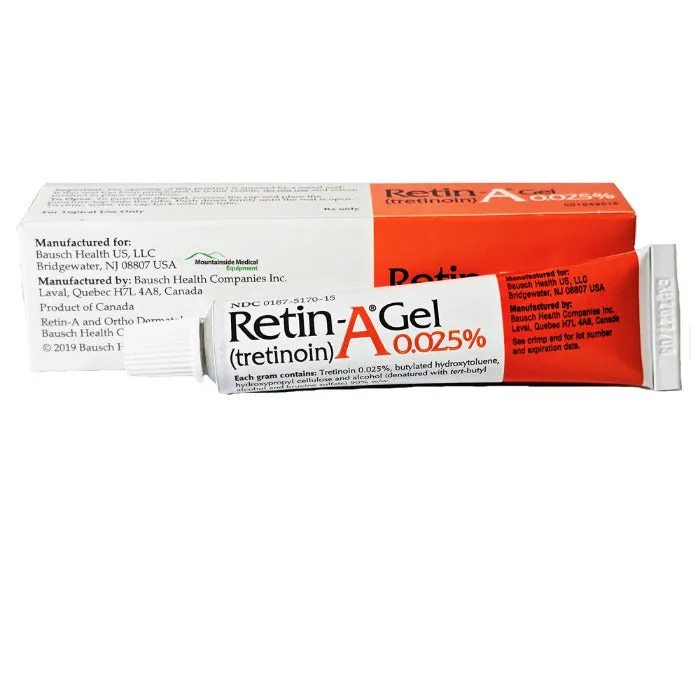
If the active ingredient, strength, and dosage form match, the next question is whether the manufacturer or package changed. Look for the manufacturer name, the National Drug Code, and the pharmacy insert. A different NDC is a useful clue that the product is not the same stock you had before. This does not prove a problem. It simply identifies the variable.
Compare the Active Ingredient and the Base
Regulators require generic products to demonstrate bioequivalence to the reference product, but that standard does not require every inactive ingredient or every package component to match. The active molecule and strength may be the same while the cream or gel base differs. That difference can influence texture, spreadability, drying, and tolerability.
Read the inactive ingredient list on the carton or ask the pharmacist for the full list if the tube does not carry it. Pay attention to vehicles and excipients that commonly affect sensitive skin, such as alcohol, propylene glycol, preservatives, and emollient or gelling systems. You do not need to memorize the chemistry. You need to know whether the new product contains something you have previously avoided or something your skin has not yet met.
Package format matters as well. A pump may deliver a different amount per press than a tube squeeze. A tube may release more product than expected at first use. If the old product was a pump and the new one is a tube, or the reverse, the change in dose per application can be enough to alter tolerability even when the formula is similar. Note the format before you build a new habit around it.
Read the Container, Not Just the Carton
Keep the carton or pharmacy paperwork until you have used the product successfully. Record the manufacturer, NDC, lot number, and expiration date. Mark the date you started the new package. If the product is a pump, prime it according to the pharmacy label or manufacturer instructions, and note whether the first few doses seem consistent.
Do not transfer the product into an unlabeled jar or a container from another manufacturer. Tretinoin is a prescription drug, and unclear storage invites confusion about strength, age, and source. The original package is part of the safety record.
Run a Short Tolerance Check
A different base does not automatically mean irritation, and it does not guarantee identical behavior. A brief, deliberate re-introduction can be reasonable, especially for someone with sensitive skin or a history of vehicle-related reactions. Ask the prescriber or pharmacist whether a limited trial is appropriate for your situation.
In practical terms, that may mean applying the new product to a small area or using it on a reduced schedule for a short period while keeping the rest of the routine simple. Avoid adding new actives at the same time. Watch for stinging that is clearly worse than before, persistent redness, swelling, unusual peeling, or a texture change that does not settle. If the reaction is severe or includes swelling, stop and seek medical advice.
This is not a formal allergy test, and it is not a reason to adjust the prescription on your own. It is a way to gather observations before the next visit.
Document What Changed
A short written record is more useful than memory. Note the manufacturer, NDC, active strength, dosage form, inactive ingredients, package type, start date, and any symptoms. Take a photograph of the old and new packaging if both are available. Note whether the new product feels more drying, more occlusive, more irritating, or simply different.
Bring that record to the next dermatology visit. It can help the clinician distinguish a true intolerance from a temporary adjustment, a vehicle issue, or an unrelated flare. It can also support a request to dispense the previous manufacturer when supply allows, or to switch to a different formulation deliberately rather than by accident.
When to Call Before the Next Visit
Contact the pharmacy or prescriber if the strength or dosage form has changed, if the package appears damaged or malfunctioning, if the product looks or smells unusual, or if you develop a significant reaction. Also call if the new product is unaffordable under your plan or if the pharmacy cannot explain the substitution. In 2026, formulary and supply changes are common enough that a brief call is often the most efficient step.
A manufacturer switch is not a crisis, but it is not a non-event either. Verify the prescription, compare the ingredients and package, observe your skin, and document the change. That approach keeps the refill in perspective without pretending all tubes behave the same.