The Index Is Not the Whole Sky: Winter Sun Protection for Tretinoin Users
Photo: NPS photo, Public domain, via Wikimedia Commons
The weather app shows a UV index of 1. The sky is pale. The air is cold. For many tretinoin users, that combination makes sunscreen feel like a summer habit that can be packed away with the beach towels. But the UV index is a forecast for one part of the solar spectrum, not a complete inventory of what reaches the skin. Winter does not remove ultraviolet exposure; it redistributes it. For anyone using tretinoin, that distinction matters.
What the Winter Index Actually Measures
The UV index is weighted toward ultraviolet B, the shorter wavelengths most responsible for sunburn. In winter, the sun sits lower in the sky, UVB levels drop, and the index often stays in the low range even at midday. That is a real change, and it is why winter sunburns are less common than summer ones. It is not, however, evidence that ultraviolet A has gone away.
UVA wavelengths are longer and less affected by season, time of day, and cloud cover. They penetrate glass, including home and office windows, and they reach deeper into the skin. The immediate sensation may be mild, but the biological effects, including photoaging and the exacerbation of pigmentary issues, continue. A low index is a statement about erythema risk, not a guarantee of low exposure.
Snow adds another variable. Fresh snow can reflect a large share of ultraviolet radiation, and that reflected light reaches the face from below, bypassing the brim of a hat. Altitude compounds the effect for skiers and winter hikers. Bright overcast days can also transmit significant UV. The result is a season that feels dim but is not uniformly low-risk.
Why Tretinoin Changes the Calculation
Tretinoin accelerates epidermal turnover and can leave the skin drier, thinner in the superficial layers, and more prone to irritation, especially during the adjustment months. A compromised barrier is less resilient. Sun exposure that might have been tolerable before treatment can now produce redness, stinging, or post-inflammatory hyperpigmentation, particularly in people with darker skin tones.
This does not mean tretinoin users should avoid the outdoors in winter. It means the daily sunscreen step is not decorative. It is part of the treatment framework. Dermatologist-informed guidance consistently places broad-spectrum protection alongside tretinoin, not as an optional add-on but as a routine requirement.
A Winter Sun Plan That Fits Real Mornings
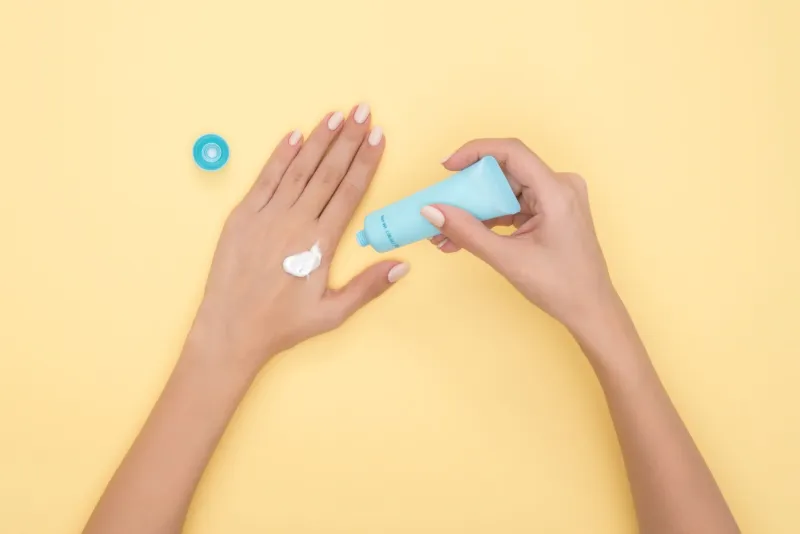
Start with a broad-spectrum sunscreen rated SPF 30 to 50. In the US, the label should say broad spectrum, which indicates some UVA protection. Apply it every morning, regardless of the index, and treat the index as a floor rather than a ceiling. For the face and neck, a common approximation is about a quarter teaspoon, or roughly two finger lengths of product. Most people apply less. The ears, the sides of the neck, and the backs of the hands are easy to miss.
Layering matters in winter because tretinoin-treated skin is often dry. A simple sequence works: moisturizer first, a short wait, then sunscreen. If the skin is flaky, a cream or lotion sunscreen tends to sit better than a thin fluid. Patting rather than rubbing can reduce pilling, especially when the underlying layers have not fully set. There is no need to wait ten minutes; a minute or two is usually enough for comfort and adhesion.
Texture should follow skin condition, not fashion. Dry or reactive skin often tolerates a creamy mineral formula. Oilier skin may prefer a gel-cream or fluid. Tinted formulas with iron oxides can be useful for people concerned about visible light and pigmentation, but they are not a substitute for adequate UVA coverage. Makeup with SPF is a supplement at best; it is rarely applied in the amount used for testing.
Reapplication Realities in Cold Weather
Outdoors, reapplication every two hours is the standard, and more often after skiing, shoveling, or any activity that causes rubbing or sweating. Indoors, the calculation is different but not zero. A desk beside a window, a long drive, or a bright snow-covered view can deliver cumulative UVA. A midday reapplication is reasonable for people who spend hours near glass.
Reapplication in winter is awkward. Sticks are convenient for the face and hands, though they can tug on dry skin. A small tube of cream sunscreen in a coat pocket is often more comfortable. Powders and mists exist, but they are best viewed as touch-ups rather than primary protection. Do not leave sunscreen in a car through a freeze; formulation stability can suffer. Keep a dedicated stick or mini tube in the bag you carry most.
When to Adjust, Not Abandon
If tretinoin is causing irritation, the sunscreen is not the problem to cut. Adjust the tretinoin instead: reduce frequency, buffer with moisturizer, or pause briefly under a clinician's guidance. Switching to a gentler sunscreen texture can help adherence. A mineral cream, a fragrance-free lotion, or a tinted formula may be more tolerable than a lightweight chemical fluid. The goal is consistent daily use, not a perfect product.
Winter sports and travel deserve a separate note. Snow, altitude, and wind can intensify exposure and dryness. A high-SPF balm for the lips, goggles or wraparound sunglasses, and a pocketable sunscreen for reapplication are practical additions. A midwinter trip to a southern latitude can raise the UV index quickly; the winter plan should travel with the user, not stay at home.
The low-UV trap is the belief that a small number means no exposure. Winter sun is not summer sun, but it is still sun. For tretinoin users, daily broad-spectrum protection is a steady habit, adjusted for texture and weather, not abandoned when the forecast looks mild.